
Eggs Benedict Casserole
If you love the classic flavors of Eggs Benedict but don't love the work and mess of poaching eggs, this Eggs Benedict Casserole is the brunch solution you've been waiting for. This easy make-ahead breakfast casserole layers English muffins, savory ham, and creamy eggs into one comforting dish that bakes to golden perfection. Prep it the night before and simply bake it in the morning for a stress-free brunch that still feels special.

Eggs Benedict Casserole is the perfect holiday brunch recipe for Christmas morning, Easter brunch, Mother's Day, or any weekend when you want something impressive without spending the whole morning in the kitchen. Hands up if that sounds like music to your ears 🤗?
I am a fan of eggs benedict. And if I'm just cooking for one or two people it's easy enough to do. But when the numbers at the table start to add up, you get to a point where a casserole that uses all the same ingredients just makes more sense. This Eggs Benedict recipe allows you to spend more time enjoying your guests and less time in the kitchen 🙌.
If hosting brunch is on your horizon, you might want to check out my post Hosting Brunch at Home (Stress-Free Menu Ideas & Tips). You'll find practical hosting tips, menu-planning advice, and a free printable brunch planner to help keep everything organized. For the menu, consider other crowd-pleasers like my Brioche French Toast Casserole and Sheet Pan Pancakes.

Jump to:
Why You Will Love This Eggs Benedict Casserole Recipe
- It's the ultimate make-ahead breakfast. Assemble the whole casserole the night before and simply bake it in the morning.
- It feeds a crowd without the stress. No more poaching eggs one at a time while your guests wait. This recipe serves a crowd all at once, straight from the oven.
- All the flavors of classic Eggs Benedict. Canadian bacon, soft custardy eggs, and rich hollandaise sauce - everything you love about the brunch staple, in one easy baked dish.
- Perfect for special occasions. Christmas morning, weekend brunch, Mother's Day, baby showers - this casserole is the kind of dish that feels special and celebratory without demanding hours of effort.
- Impressive enough for guests, easy enough for you. It looks and tastes like you went all out, but your secret is safe - it practically makes itself.
- Customizable and flexible. Swap the Canadian bacon for regular bacon or smoked salmon, adjust the seasonings, or add a handful of fresh herbs to make it your own.
- Minimal cleanup. One casserole dish means less mess and more time enjoying the morning with your guests.
Equipment
Disclosure: as an Amazon affiliate, I receive a small amount of compensation from qualifying purchases at no expense to you. This helps support my work and allows me to bring more yummy recipes your way.
- 9x13 casserole dish
- Mixing bowl
- Measuring Cups
- Measuring Spoons
- Whisk
- Medium Sized Saucepan
- Instant read thermometer
Ingredients

Casserole
Canadian Bacon - Comes from the loin of the pig which runs along the back. It is much leaner than regular American-style bacon which comes from pork belly.
English Muffins - The bready portion of eggs benedict. They absorb the egg/milk mixture to make a perfectly custardy center while the edges turn crispy and toasty in the oven.
Eggs - Star of the show! They bind everything in the casserole together into delicious custardy goodness.
Milk - Adds some moisture and creaminess to the dish.
Salt - helps bring the flavor all together.
Pepper - helps in seasoning the dish.
Onion Powder (optional) - extra seasoning.
Garlic Powder (optonal) - extra seasoning.
Paprika (optional) - for seasoning and garnish.
Easy Hollandaise Sauce
Egg Yolks - are the foundation of the sauce. They act as an emulsifier, binding the butter and liquid together into a smooth, creamy sauce. They also give hollandaise its rich golden color and velvety body.
Heavy Cream - Traditional hollandaise doesn't include it, but here it adds extra richness, helps stabilize the sauce, and makes it more forgiving and less likely to break or curdle.
Fresh Lemon Juice - provides the bright, tangy contrast that keeps the sauce from feeling too heavy. It also helps balance all that richness from the butter and egg yolks, which is what gives hollandaise its signature flavor.
Dijon Mustard - adds a gentle sharpness and depth of flavor, and also acts as an additional emulsifier to help keep the sauce smooth and cohesive.
Butter - gives hollandaise its luxurious, rich flavor and silky texture.
Cayenne Pepper (optional) - adds a bit of heat.
Instructions
The Night Before
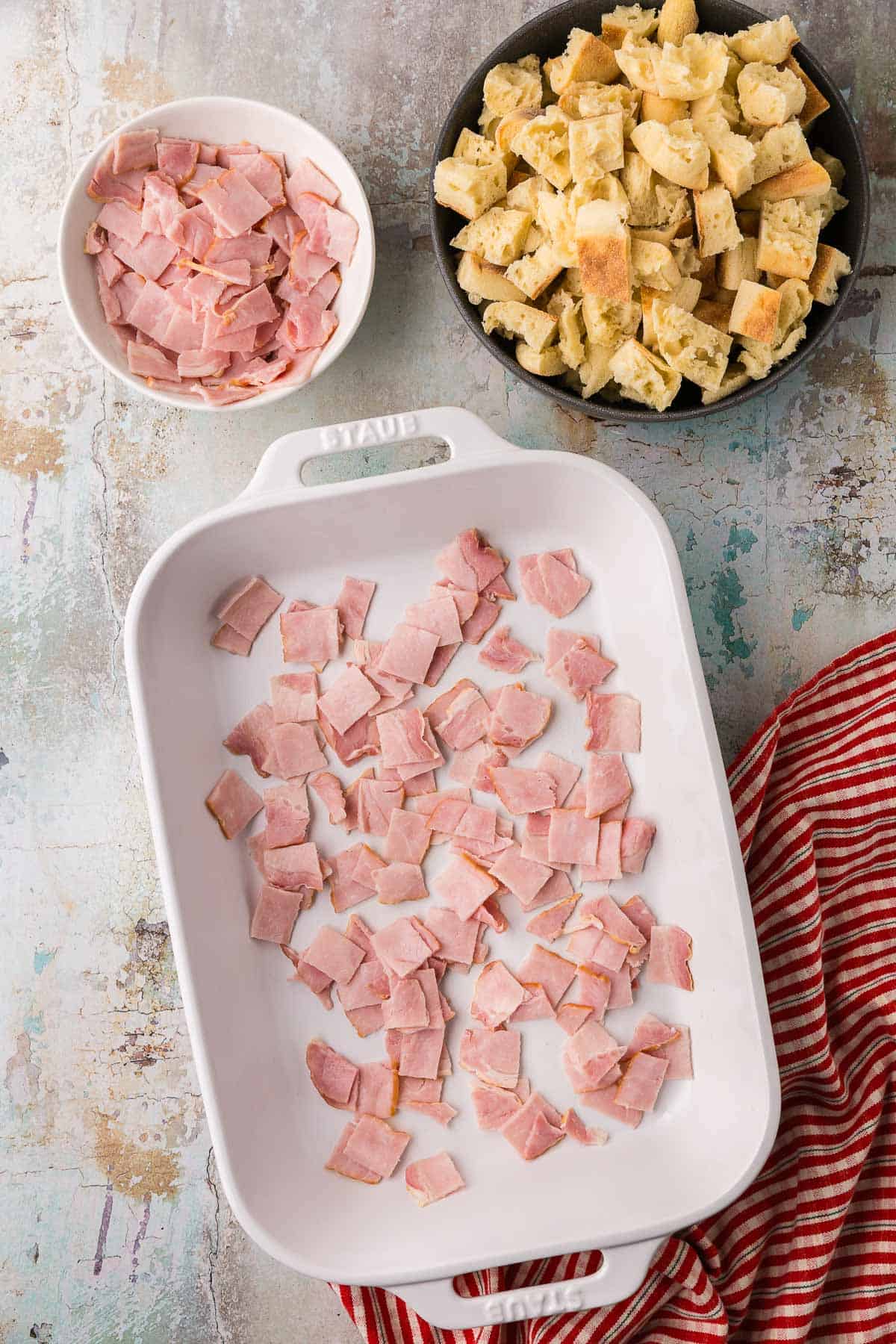
- Grease a 9x13" casserole dish with butter. Layer about ⅓ of the chopped Canadian bacon onto the bottom of the casserole dish.

- Add the cubed English muffins on top.

- In a large mixing bowl, whisk together the eggs, milk, salt and pepper, and if using, the onion powder, garlic powder, and half the paprika.

- Pour mixture evenly over the Canadian bacon and cubed English muffins. Cover tightly with Aluminum foil and place in the fridge overnight.
In The Morning
- Preheat oven to 375 degrees
- Hollandaise sauce can be started when there is about 10 minutes left for the casserole to bake.
- Sprinkle the rest of the paprika on top of the casserole. Cover again with aluminum foil.
- Bake in oven for 35 minutes, remove aluminum foil and continue baking for another 30 minutes or so. The English muffin chunks sticking out should become crispy while the middle of the casserole is fully cooked. A toothpick should come out clean and no visible wet egg should be seen.
- Remove from oven.

Making the Hollandaise Sauce

- In a mixing bowl add the yolks, heavy cream, lemon juice and Dijon mustard. Whisk to combine.

- Place the mixing bowl over a double boiler that is gently simmering. Heat the hollandaise sauce with constant whisking.
Wondering what a double boiler is? It's a simple setup where a saucepan is filled with about an inch of simmering water. A heatproof bowl is then placed on top so it sits securely over the pan without touching the water. The steam gently heats the bowl, allowing the ingredients inside to warm slowly and evenly without direct heat.
- Continue to heat the sauce until it reaches 160F and has thickened enough to coat the back of a spoon.
- Slowly drizzle in the melted butter with constant whisking.
Once the butter is fully combined into the sauce you are ready to serve. If you want the sauce a little thinner you can whisk in a little warm water to the consistency you like.

Serving
Slice the casserole into 12 squares or however many you need and place the dish on the table. You can allow guests to serve themselves and pour on their own hollandaise sauce.
This casserole pairs beautifully with something fresh and simple like arugula tossed in a citrus vinaigrette or sliced seasonal fruit or a fruit tray. If you're building a full brunch spread, add something sweet like Sheet Pan Pancakes, or Brioche French Toast Casserole to round things out. For more savory options, deviled eggs, Quinoa Salad with Arugula, or toasted bagels with cream cheese all make delicious additions. You might want to check out my post Hosting Brunch at Home (Stress-Free Menu Ideas & Tips). You'll find practical hosting tips, menu-planning advice, and a free printable brunch planner to help keep everything organized.
And if brunch cocktails are on the menu, this dish pairs perfectly with a classic mimosa (try one of my four flavor variations), a bold Bloody Mary, or a bright citrusy Paloma. Prefer to skip the alcohol? I've got you covered with Non-alcoholic Mimosas and a refreshing Paloma Mocktail so everyone at the table can raise a glass.

Pro-Tips and Substitutions
- Canadian bacon is also known as back bacon and is a leaner cut than regular bacon and is almost always fully cooked and cured. You could replace with regular cooked bacon if you wanted. You could also try replacing with smoked salmon if you like.
- The addition of garlic and onion powder is totally optional. It is not in a traditional eggs benedict, but it adds a little extra "je ne sais quoi". If you feel it is going to be too early in the morning for onion and garlic, feel free to leave it out.
- It's important to whisk constantly while heating the eggs and cream so that the mixture heats up evenly and you don't cook the eggs into a solid.
- Again, whisk constantly while drizzling in the melted butter. You want to completely incorporate the butter so that the fat is fully emulsified. If you just dump the butter in all at once, you may not be able to emulsify it into the sauce.
- The sauce will start to thicken up around 150F but bringing it to 160F allows you to pasteurize the eggs so you are safe from any possible salmonella bacteria. Having an Instant read thermometer is the easiest way to know when you are done.
FAQs
Add a few teaspoons of fairly warm water and whisk it in. This recipe of Hollandaise sauce stands up well to thinning out.
A lot of Hollandaise sauces do not reheat well, but I have had good luck with this recipe. I usually heat it up in the microwave in short bursts depending on how much sauce is in the bowl. You don't want to add too much heat at once or you will cook the yolks. Usually 10 seconds in the microwave and give it a good stir to distribute the heat. Another 10 seconds, and another good stir. Continue until the temperature is where you want it.
The casserole itself can be covered with plastic wrap and store in the fridge for up 3-4 days. Reheat portions in the microwave as needed. The hollandaise sauce can also be covered with plastic wrap and stored in the fridge for up to 3 days. Reheat as outlined above.
Yes, you can. Allow the casserole to cool down then wrap tightly in saran wrap and then again in aluminum foil. You can freeze for up to 3 months. If thawing the entire casserole, allow it to thaw in the fridge overnight, then reheat in a 350F oven for about 20-30 minutes. Frozen slices can be reheated in the microwave in 30 second bursts. The hollandaise sauce doesn't freeze well.
Related
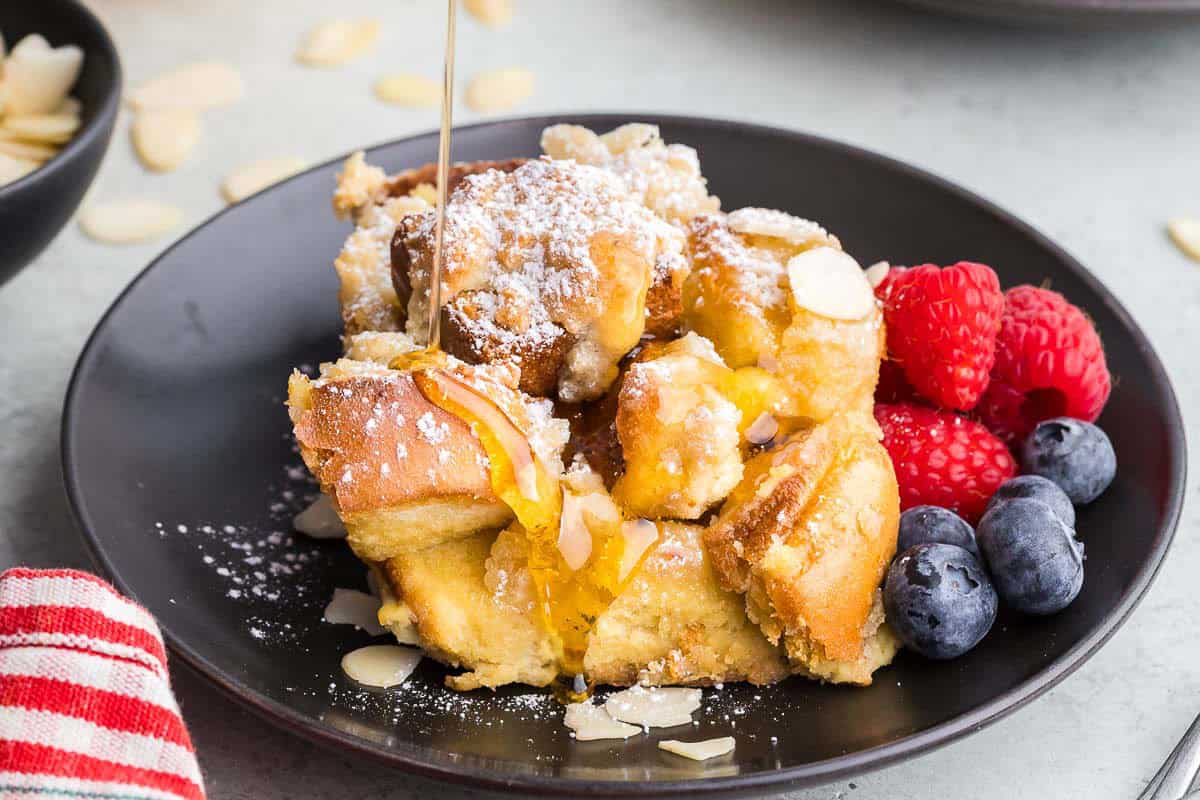
Other breakfast casseroles and egg dishes that might interest you are:



Pairing
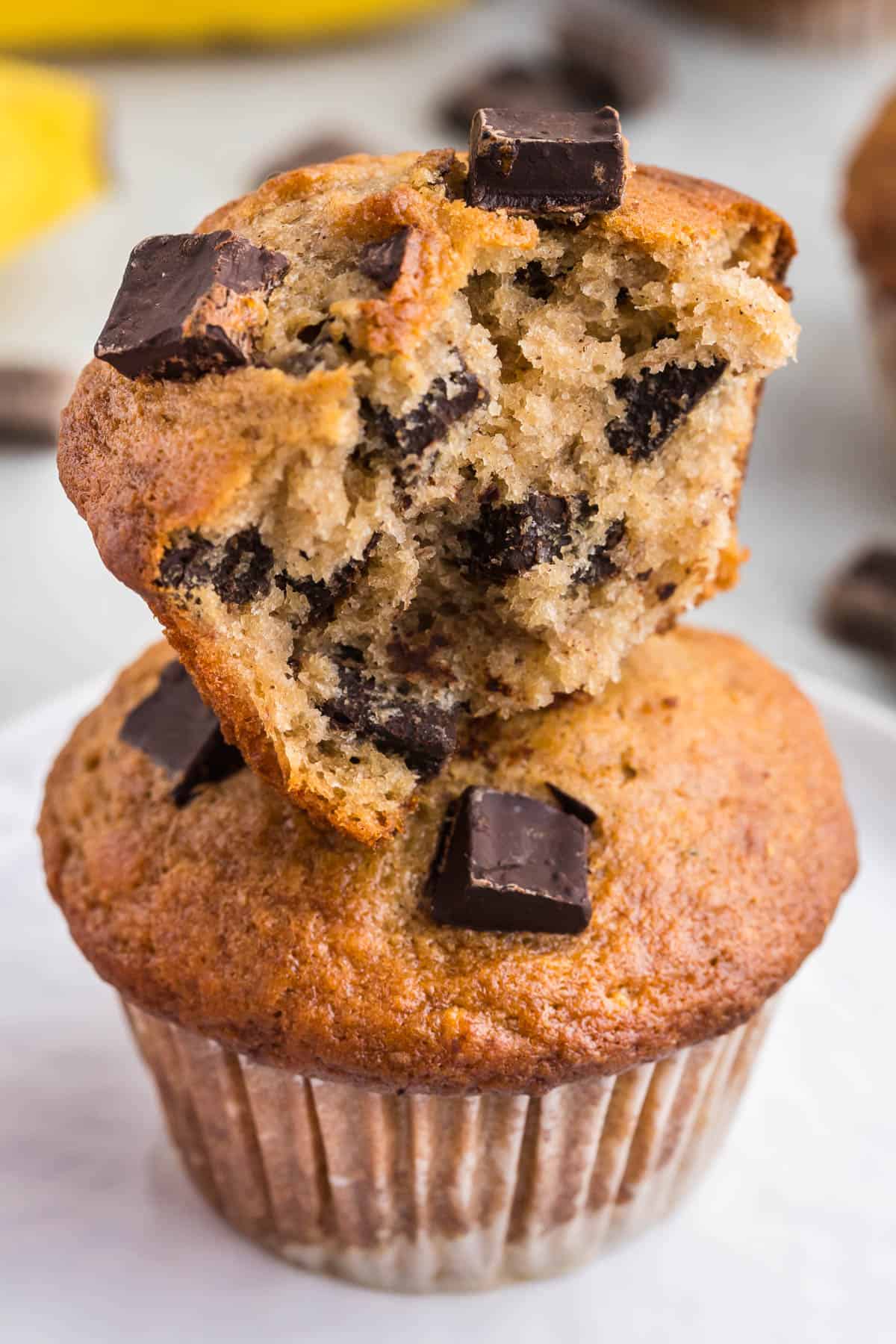
As I mentioned, eggs benedict casserole is great for serving a crowd at brunch. Some great drinks and treats to pair with it include:



If you liked this recipe, please consider rating the recipe and leaving a comment below - I love to hear how people get on with my recipes and I truly make an effort to respond to everyone who takes the time to comment. For other great breakfast ideas check out my elevated Egg on Toast, Brioche French Toast Casserole, and Berry Crepes.
The nutrition information provided is an estimate and may vary based on ingredient brands, substitutions, and portion sizes. This calculation used 1/12th of the casserole and no Hollandaise Sauce.

Eggs Benedict Casserole

Equipment
- 9x13 Casserole Dish
- Mixing bowl
- Measuring Cups
- Measuring Spoons
- Whisk
- Medium Sized Saucepan
- Instant Read Thermometer
Ingredients
- 12 oz Canadian bacon (divided) chopped
- 6 English muffins chopped into 1" cubes
- 8 large eggs
- 2 cups milk
- ¼ teaspoon onion powder optional
- ¼ teaspoon paprika (divided) optional
- ⅛ teaspoon garlic powder optional
- ½ teaspoon salt
- ½ teaspoon ground black pepper
Hollandaise Sauce
- 4 large egg yolks
- ½ cup heavy cream
- 1 ½ tablespoon fresh lemon juice
- 1 teaspoon dijon mustard
- ½ cup salted butter melted
- ⅛ teaspoon cayenne pepper optional
Instructions
Night Before
- Grease a 9×13-inch casserole dish with butter.
- Spread ⅓ of the Canadian bacon in the bottom of the dish.12 oz Canadian bacon (divided)
- Add the cubed English muffins, then top with the remaining Canadian bacon.6 English muffins chopped into 1" cubes
- In a large bowl, whisk together eggs, milk, salt, pepper, onion powder (if using), garlic powder (if using), and half the paprika (if using).8 large eggs, 2 cups milk, ¼ tsp onion powder, ¼ tsp paprika (divided), ⅛ tsp garlic powder, ½ tsp salt, ½ tsp ground black pepper
- Pour evenly over the casserole.
- Cover tightly with foil and refrigerate overnight.
Morning
- Preheat oven to 375°F (190°C).
- Sprinkle the remaining paprika over the casserole and cover with foil.
- Bake 35 minutes, then remove foil and bake another 30 minutes, until the center is set and the top is lightly crisp.
- Start the hollandaise sauce during the last 10 minutes of baking. Remove casserole from oven.
Hollandaise Sauce
- In a heatproof bowl, whisk together egg yolks, heavy cream, lemon juice, and Dijon mustard.4 large egg yolks, ½ cup heavy cream, 1 ½ Tbsp fresh lemon juice, 1 tsp dijon mustard, ⅛ tsp cayenne pepper
- Place over a double boiler (bowl not touching the water) and whisk constantly until thickened and reaches 160°F.
- Slowly drizzle in melted butter, whisking continuously until smooth.½ cup salted butter
- Thin with a little warm water if needed. Serve drizzled over slices of the casserole.
Notes
- Canadian bacon is also known as back bacon and is a leaner cut than regular bacon and is almost always fully cooked and cured. You could replace with regular cooked bacon if you wanted. You could also try replacing with smoked salmon if you like.
- The addition of garlic and onion powder is totally optional. It is not in a traditional eggs benedict, but it adds a little extra "je ne sais quoi". If you feel it is going to be too early in the morning for onion and garlic, feel free to leave it out.
- It's important to whisk constantly while heating the eggs and cream so that the mixture heats up evenly and you don't cook the eggs into a solid.
- Again, whisk constantly while drizzling in the melted butter. You want to completely incorporate the butter so that the fat is fully emulsified. If you just dump the butter in all at once, you may not be able to emulsify it into the sauce.
- The sauce will start to thicken up around 150F but bringing it to 160F allows you to pasteurize the eggs so you are safe from any possible salmonella bacteria. Having an Instant read thermometer is the easiest way to know when you are done.
Share This Recipe





I immediately threw out my breakfast plans and switched to this this morning and oh my gosh! It went over so well and my family really loved it. Casserole dishes have been our go to with us dealing with a family emergency and this was comforting and soooo needed! Thanks for the recipe
Hi Tasty Cue, I'm so glad your family loved it and it was able to bring a little comfort to you all. Take care!
This sounds like such a smart brunch idea. I love that it has all the flavors of Eggs Benedict without the hassle. Definitely saving this for an easy make-ahead meal!
Hi Madhu, thanks for leaving a comment. Yes, less hassle than trying to make individual Eggs Benny!
This is such a great idea for brunch! I loved that it had all the classic Eggs Benedict flavors without the hassle of making individual servings. I served this with fresh fruit and a simple green salad.
This was the perfect brunch recipe! It's simplified one of my husband's favorites into something I can easily manage and make at home.
Made this again this week for my mother in law and she just loved it!